You know, the construction equipment market has really been through some major changes lately, especially with all the back-and-forth trade tariffs between the U.S. and China. It’s pretty fascinating, actually. Industry reports show that, despite the extra hurdles from these tariffs, China’s manufacturing sector keeps bouncing back, pushing up exports of essential gear. Take the Kubota Excavator, for example—this machine is a real superstar in the industry. It's well-known for being both efficient and reliable. Recent market analysis suggests that China has a hefty slice of the global excavator market, and there’s definitely growing demand for innovative machinery like the Kubota. Over at Linyi Weiman Import and Export Co., LTD., based right in Linyi City, Shandong Province, we’ve found our niche as a top supplier of heavy construction equipment. We're really committed to providing the best machinery out there to keep up with that rising global demand, and it's helped us solidify our place in this competitive construction export scene.
Challenges of Trade Tariffs on Global Manufacturing Landscape
You know, trade tariffs have really shaken up the global manufacturing scene. It’s kinda wild how companies are trying to navigate these challenges just to stay competitive. For example, a recent report from the World Trade Organization pointed out that global exports dropped by a hefty 5.3% in 2020, all thanks to escalating trade tensions. This hit various sectors pretty hard, including construction equipment manufacturing. Imagine the kind of headaches this creates — higher costs, tighter profit margins, and disrupted supply chains, especially for firms like Kubota that depend on getting their advanced excavators out to the world.
But, hey, it’s not all doom and gloom! China's manufacturing sector has shown some serious resilience. The National Bureau of Statistics over there mentioned that it actually grew by 6.5% in 2021, which is a good sign of their adaptability. This sort of resilience means that companies can keep innovating and tweaking their products while still keeping prices competitive, even with tariffs hanging over their heads.
So, what can businesses do to stay in the game? Well, diversification of supply chains is key — it helps to reduce the risks that come with tariffs. Plus, investing in tech to boost production efficiency can really help counter those rising costs. And let’s not forget about forming strategic partnerships in important markets. That can be a real safeguard against the unpredictability that trade barriers bring.
China's Strategic Adaptation in Response to Trade Barriers
You know, China's manufacturing sector has really shown some impressive resilience, especially with all those rising trade tariffs. Take the Kubota excavator, for instance—it's a hot item! What’s fascinating is how these manufacturers have managed to adapt. They’ve been rolling out some strategic innovations and making improvements in their production processes, which lets them meet export demands pretty efficiently. By really leaning into advanced technology and fine-tuning their supply chains, they’re not just keeping prices competitive; they’re also upping their game in product quality. That’s super important for holding onto their slice of the global market, right?
Now, if manufacturers want to really thrive in this trade barrier mess, they should definitely think about investing in automation and those smart manufacturing techniques. It’s amazing how streamlining operations can cut down on costs and help ensure consistent product quality. Plus, forming solid relationships with local suppliers is a smart move to offset the impact of tariffs—it keeps the materials flowing and helps stick to production schedules, ensuring they deliver on time.
Also, diversifying into new export markets is a must if you want to dodge the risks that come with trade conflicts. For manufacturers, especially those making Kubota excavators, discovering emerging markets can really pave the way for new growth opportunities. Doing some market research and tweaking products to fit local preferences can definitely give them a competitive edge, allowing them to stay in demand even when trade conditions get pretty rough.
Boosting Manufacturing Efficiency: The Key to Export Growth
You know, with all these rising trade tariffs, China's really stepping up its game in manufacturing efficiency, and it’s becoming a major factor in driving export growth—especially when it comes to machinery like those Kubota excavators. I came across some info in the China Statistical Yearbook that shows their manufacturing output hit a whopping 31.4 trillion yuan in 2022, which is a cool 12% increase from the previous year. That solid manufacturing base they’ve built allows producers in China to take advantage of economies of scale. This means they can cut down on production costs while keeping the quality high, making their products much more competitive on a global scale.
And it's not just that. Initiatives like 'Made in China 2025' are really pushing the envelope when it comes to manufacturing tech, focusing on automation and sustainable practices. I read a report from the International Data Corporation (IDC) that suggests investment in smart manufacturing technologies could soar past $300 billion by 2024. This is all about helping companies crank up their productivity and boost exports. We can see this trend in action in the construction equipment sector too, where Kubota's actually increased its market share quite a bit, all thanks to the smart efficiencies they’re tapping into with these innovations. It’s like they’re ready to weather any potential trade storms that come their way.
Innovative Technologies Driving China's Excavator Production
You know, China's excavation equipment industry is really going through some exciting changes lately! Thanks to new technologies and digital advancements, we're seeing a shift like never before. I mean, as the country dives into the fourth industrial revolution, old-school manufacturing is getting an upgrade with all this cutting-edge tech. Just think about those high-definition control rooms that show real-time data from excavation operations—it’s pretty impressive! It’s allowing manufacturers to not just keep up, but actually streamline their processes and boost their performance.
And let’s talk about the excavator market for a second. It’s evolving super fast! Local manufacturers aren’t just sticking to the tried-and-true robust machinery anymore; they’re also exploring electric and eco-friendly models. You can really see China stepping up its game with advanced excavators that are designed to meet the demands of modern construction. This not only shows their commitment to innovation but also puts them in a strong spot globally. With these changes, they're really bolstering their exports even with all the ups and downs of trade tariffs. Honestly, this push for sustainable and high-tech machinery is going to change the whole excavation sector in China, helping it stay resilient and competitive on the world stage.
China's Manufacturing Resilience Boosts Excavator Exports
Case Study: The Resilience of Kubota Excavators in Global Markets
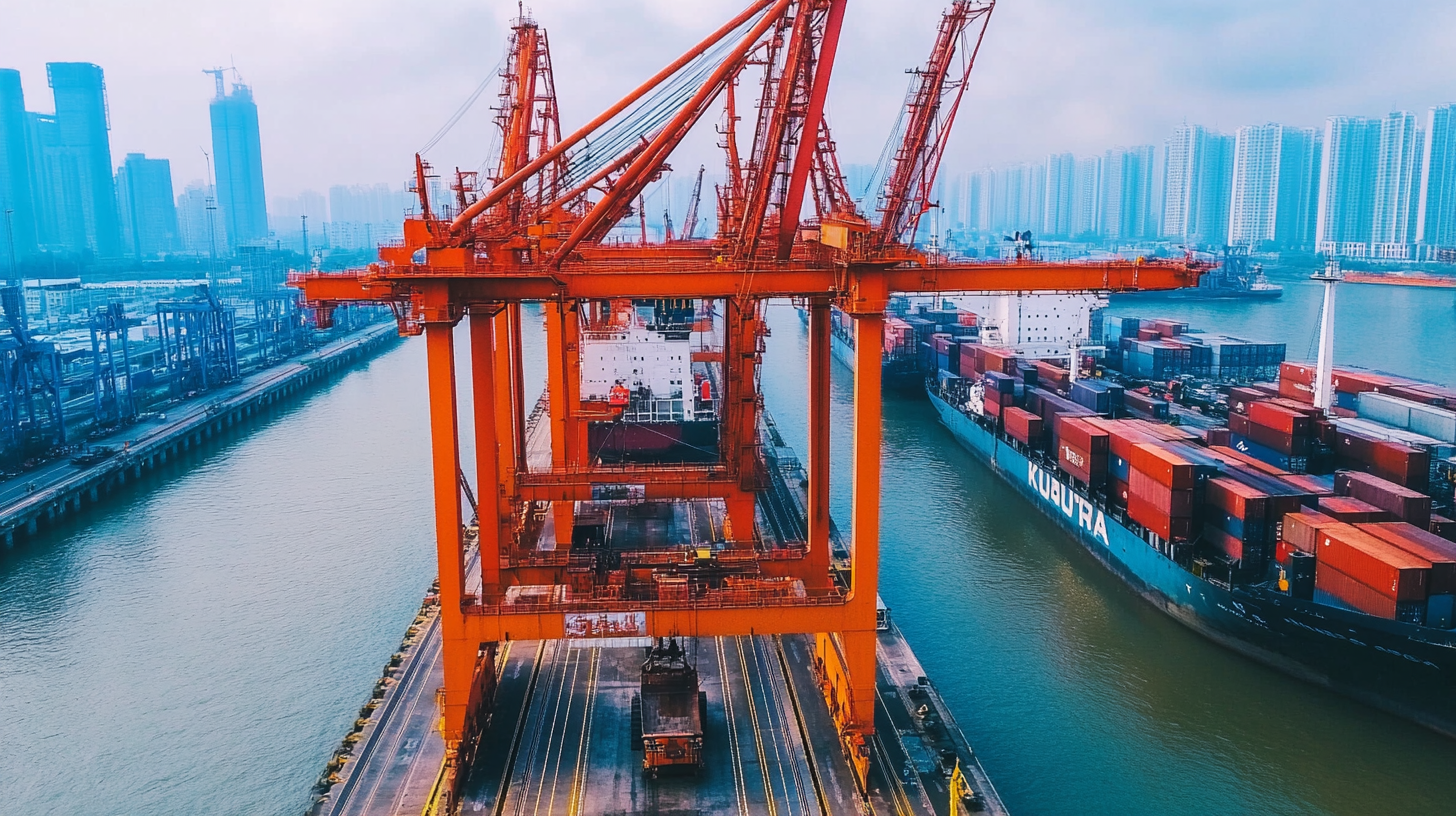
You know, China's manufacturing strength has really become a key player in the global market, especially when it comes to agricultural equipment exports. With agriculture becoming more high-tech, there's this growing need for solid construction machinery, and excavators are pretty much at the forefront of boosting productivity. It's interesting to see how more and more folks are leaning towards advanced machinery to tackle the challenges that modern farming throws at them.
In this mix, companies like Linyi Weiman Import and Export Co., LTD have really stepped up as major players. They offer a wide range of heavy construction equipment, and what's great is their commitment to quality and innovation, especially in their excavators. These machines are not just robust; they can take on a variety of tasks in both agriculture and construction. The way these excavators are doing well in global markets really shows how adaptable and reliable they are—it's a big reason why China is seen as a powerhouse in manufacturing top-notch construction gear, even when trade dynamics are shifting around us.
Future Outlook: Sustaining Export Growth Amidst Trade Tensions
You know, China’s manufacturing sector has really shown some amazing resilience lately, especially when it comes to making high-quality machinery, like those Kubota excavators. It’s pretty impressive, especially considering how the global trade landscape is shifting—thanks to those trade tariffs still hanging around. What’s really cool is how quickly Chinese manufacturers can adapt to all these changes. They’re constantly innovating and finding ways to keep their costs down, which definitely gives them an edge in the international market. This flexibility not only boosts domestic sales but helps exports grow too, which is why companies like Kubota need to take full advantage of that.
Looking ahead, though, keeping that export growth going, especially with all this trade tension, is gonna need some smart planning and teamwork. I mean, I wouldn’t be surprised if Chinese manufacturers start pouring money into advanced tech and adopting more sustainable practices. That could really spice up their product lines and reduce their reliance on just one market. Plus, building strong relationships with international clients will help soften the blow of those pesky tariffs, making sure that demand for things like the Kubota excavator stays strong. So, really, having a forward-thinking approach that prioritizes quality, efficiency, and adaptability will be super important to keep that export momentum going, even as the global trade scene keeps shifting.
Export Distribution of Kubota Excavators in 2023
FAQS
: Trade tariffs lead to increased costs, reduced profit margins, and altered supply chains, impacting the competitiveness of companies that rely on exports.
Global exports fell by 5.3% in 2020, largely as a result of increased trade tensions, affecting various sectors including construction equipment manufacturing.
In 2021, China's manufacturing sector expanded by 6.5%, showcasing its ability to adapt, innovate, and maintain competitive pricing despite trade tariffs.
Companies should consider diversifying supply chains, investing in production efficiency technologies, and forming strategic partnerships in key markets.
China’s enhanced manufacturing efficiency has driven export growth, with the manufacturing output reaching 31.4 trillion yuan in 2022, reflecting a 12% annual growth.
"Made in China 2025" emphasizes advancements in manufacturing technology, focusing on automation and sustainable practices to boost productivity and enhance competitiveness.
Investments in smart manufacturing technologies are projected to exceed $300 billion by 2024, which will help companies increase productivity and exports.
Kubota has enhanced its market share through strategic efficiencies gained from technological innovations and improvements in manufacturing processes.
Economies of scale allow manufacturers to reduce production costs while maintaining high quality, thereby enhancing competitiveness in the global market.
Trade tariffs can increase operational costs and disrupt existing supply chains, making it challenging for export-reliant companies to maintain profitability.
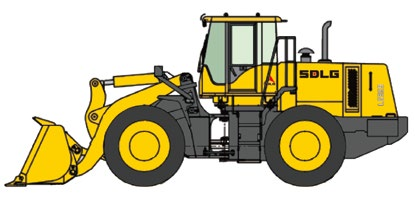 Wheel Loader
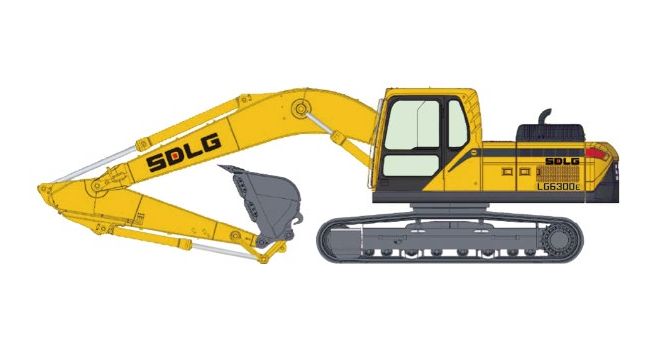 Excavator
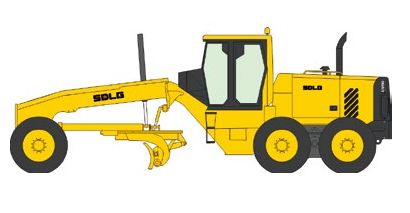 Motor Grader
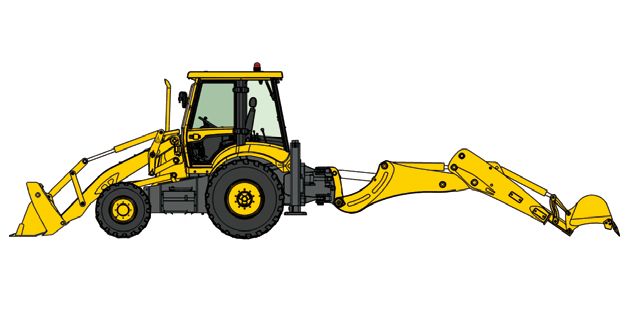 Backhoe Loader
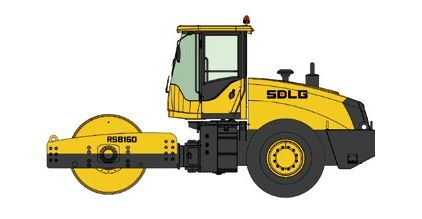 Road Roller
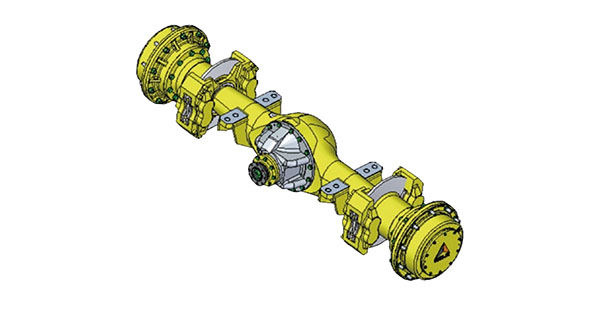 Spare Parts